

Lord Buddha : ค้นหาหนังสือธรรมะ หน้า 21 / 22
หน้าหนังสือทั้งหมด
48
Exploring the Principal Buildings of Dhammakaya Temple
constructions are built to benefit the Buddhist religion in the most worthwhile way and and to provide the maximum merits for donors.
Principal buildings at the Dhammakaya Temple:
• Maha Dhammakaya
วัดธรรมกายมีการสร้างสิ่งก่อสร้างที่มีความสำคัญเพื่อประโยชน์แก่ศาสนาพุทธ โดยเฉพาะเจดีย์มหาธรรมกายซึ่งมีพิพิธภัณฑ์พุทธภาพ 300,000 รูปและมีความจุ 400,000 คน นอกจากนี้ยังมีสนามประชุมกรรมฐานที่สามารถรองรับ
83
Say No to Alcohol
Say No to Alcohol
The negative long-term effects of alcohol consumption are difficult to control and overcome. Not only is your own welfare at risk, but also the welfare of those around you, especial
The long-term effects of alcohol are detrimental not only to the individual but also to their family. Alcohol leads to destruction of wealth, health issues, aggressive behavior, loss of friendships, a
114
Understanding Dispassion and Detachment in Dhammakaya Meditation
dispassion (ekantanibbida) and detachment (viraga) and accomplishes sequential shedding of the defilements until an end to defilements can be reached.
The meditator sees and knows with the latter fou
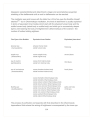
This text delves into the significance of dispassion (ekantanibbida) and detachment (viraga) in the process of shedding defilements through meditation. It illustrates the attainment levels based on th
10
นิทานอายุ
10
นิทานอายุ
Thereupon that louse screamed, "These monks are plundering my property!" And thus screaming, he ran this way and that.
The Buddha, even as he sat in the Perfumed Chamber, heard that soun
เรื่องราวนี้สื่อถึงการตัดสินใจของพระพุทธเจ้าในการรักษาความยุติธรรมและจิตใจของผู้ที่เกิดใหม่ พระองค์สั่งให้พระสงฆ์เก็บเสื้อผ้าของติสสาไว้เป็นเวลาเจ็ดวัน เพื่อให้ติสสาที่เกิดใหม่ในรูปลักษณ์ของเห็บมีโอกา
16
The Virtuous Lay Disciple Dhammika
While residing at the Jefavana Monastery in Savatthi,
the Buddha spoke this verse, with reference to
Dhammika, a lay disciple.
Once there lived in Savatthi, a lay disciple by the
name of Dhammika, wh
While residing at the Jefavana Monastery, the Buddha spoke about Dhammika, a lay disciple from Savatthi known for his charity and virtuous life. He led five hundred virtuous followers and had seven so
28
The Rebirth of Tambadathika: A Lesson in Dhamma
28
OCTOBER
Kasiha Readam
After the discourse, Tambadathika accompanied Venerable Sariputta for some distance and then returned home. On his way home a cow (actually a demon in the guise of a cow) g
After the death of Tambadathika, who was gored by a demon disguised as a cow, the Buddha reveals his rebirth in the Tusita deva world. Despite a life of evil deeds, Tambadathika attained *anūṇa maha*
34
The Urgency of Mindfulness and the Impending Death
He is thinking that he would stay here and sell his goods the whole year. He is not aware that he would die here in seven days’ time. What should be done should be done today. Who would know that one
In this narrative, a merchant named Mahadhana is confronted with the reality of his impending death within seven days. Prompted by the Buddha through Ananda, he reflects on the urgency of living mindf
36
The Fear of Death and Eternal Wisdom
36
Buddha Meema
the Buddha expounded a discourse in appreciation (anumodana).
At the end of the discourse, Mahadhana the merchant attained sŏtapatti fruition.
He followed the Buddha for some distance
In a significant discourse, the Buddha speaks on appreciation and the reality of death through the story of Mahadhana, a merchant who reached sotapatti fruition but faced the harsh truth of mortality
42
Confronting Grief: A Tale of Loss and Understanding
Although the treasure had obtained the Fruit of Conversion,
he was unable to bear the grief that arose within him.
Accordingly, when he had performed the funeral rites
over his daughter's body, he wen
In this touching narrative, a father mourns the loss of his modest and conscientious daughter, Sumana, and seeks solace from the Buddha. Despite knowing death is inevitable, he struggles with her last
70
The Rebirth of the Queen and the Buddha's Compassion
After her burial, the king intended to ask the Buddha where she was reborn. The Buddha wished to spare his feelings, and also did not want him to lose faith in the Dhamma. So he willed that this quest
หลังจากการฝังศพของพระราชินี พระราชาทรงตั้งใจจะถามพระพุทธเจ้าเกี่ยวกับการบังเกิดใหม่ของพระองค์ พระพุทธเจ้าต้องการที่จะปกป้องความรู้สึกของพระราชา และไม่ต้องการให้พระองค์สูญเสียศรัทธาในธรรม ดังนั้นจึงทรง
72
ความสุขสำหรับเด็กๆ: การสอนทางพระพุทธศาสนา
72
สุขสันต์
สำหรับ เด็กๆ เนื้อหาเบื้องต้น
After offering alms-food, the king asked the Buddha where queen Mallika was reborn and the Buddha replied, "Mallika has been reborn in the Tusita deva world.
ในเนื้อหานี้พระราชาได้ถามพระพุทธเจ้าเกี่ยวกับการเกิดใหม่ของพระราชินีมัลลิกา ซึ่งพระพุทธเจ้าตอบว่า พระราชินีมัลลิกาได้เกิดในสวรรค์ทัสติตา พระราชามีความสุขมากกับคำตอบนี้และไตร่ตรองถึงดีและความหมายของการ

49
สะสมองค์พระภายในให้เพียงพอไปเรื่อย ๆ
นักสะสมพระยังสะสมพระเครื่อง
แต่เราสะสมองค์พระภายใน
Collect the Buddha within, more and more.
Buddha image collector...collect the Buddha image
But we collect the
10
The Story of Many Youths
1 The Story of Many Youths
While residing at the Jetavana Monastery, the Buddha spoke these verses, with reference to a number of youths.
Once, the Buddha was out on an alms-round at Sāvatthi when he
In this story, the Buddha teaches the importance of compassion through his encounter with youths harming a snake. He emphasizes that to avoid harm, one must also refrain from harming others. This high
18
The Consequences of Evil Deeds
16 Clear-minded Youths - 2 Story of Three Groups of Persons
The Buddha's answer to the third group: "Monks, once, seven cowheds saw an iguana going into a mound and, for fun, they closed all the outl
In this story, the Buddha illustrates the consequences of evil actions through the tale of seven cowheds who trap an iguana and forget it for seven days. This narrative emphasizes that no one can esca
28
The Virtue of Clear-Minded Youths
26
Clear-minded Youths — 3 The Story of Five Hundred Boys
The Buddha, hearing their words, said, "Monks, a monk like my son Maha Kassapa is dear to deities and men alike; such a man they delight to
In this discourse, the Buddha praises a monk, Maha Kassapa, for his virtue and insight, noting that he is respected by deities and men. The Buddha emphasizes that a person endowed with discipline, est
34
The Story of a Wood Cutter's Son
32 Clear-minded Youths - 4 The Story of a Wood Cutter's Son
Once, in Rajagaha, a wood cutter went into the woods with his son to cut some firewood. On their return home in the evening, they stopped n
In Rajagaha, a woodcutter and his son face a night of trials when the boy is left alone with their cart of firewood after the father goes searching for lost oxen. As he contemplates the Buddha's quali
54
The Story of Culasubhadda
4
The Story of Culasubhadda
While residing at the Jetavana monastery, the Buddha uttered Verse (5) of this chapter, with reference to Culasubhadda the daughter of Anathapindika.
Anathapindika and U
The story revolves around Culasubhadda, the daughter of Anathapindika, who faced challenges in her marriage due to her parents-in-law's non-Buddhist beliefs. Living in the house of Ugga's family, she
94
Dummedha-Jātaka: The Folly of Jealousy
Dummedha-Jātaka.
"Exalted station breeds a fool great woe."—This story was told by the Master while at the Bamboo-grove, about Devadatta.
For the Brethren had met together in the Hall of Truth, and w
The Dummedha-Jātaka recounts an episode from the life of the Buddha, where he reflects on the story of Devadatta. Jealous of the Buddha's wisdom and Perfections, Devadatta's madness led to his folly.
2
Buddhānussati and Visualization of the Buddha
**Abstract:**
“Buddhānussati” and “Visualization of the Buddha”: the Case Study of Piṅgiyā, Singālamātātheri and Vakkali
by Maythee PITAKTEERADHAM
My own curiosity urged me to start writing thi
บทความนี้พูดถึงการปฏิบัติธรรมของพุทธานุสรณ์ที่เป็นวิธีการสมาธิในพระไตรปิฎก โดยเฉพาะการตั้งใจที่ 'บuddhaguṇa' หรือคุณธรรมของพระพุทธเจ้า การอ้างอิงจากคุฎกนิกายที่กล่าวถึงการตั้งใจที่พระพุทธเจ้าเอง โดยช่
3
Analyzing the Dhammacakkappavattana Sutta: A Text-Critical Approach
The Document Research Methods
Case Study: The Dhammakakkappavattana Sutta
Pramaha Pongsak THANIO
Abstract
Dhammacakkappavattana Sutta (Sanskrit: Dharmacakaravartana
Sutra) is regarded as one of the
The Dhammacakkappavattana Sutta, a key Buddhist text, shows multiple versions arising after the Buddha’s death, raising authenticity questions. This research employs text-critical methods to establish